
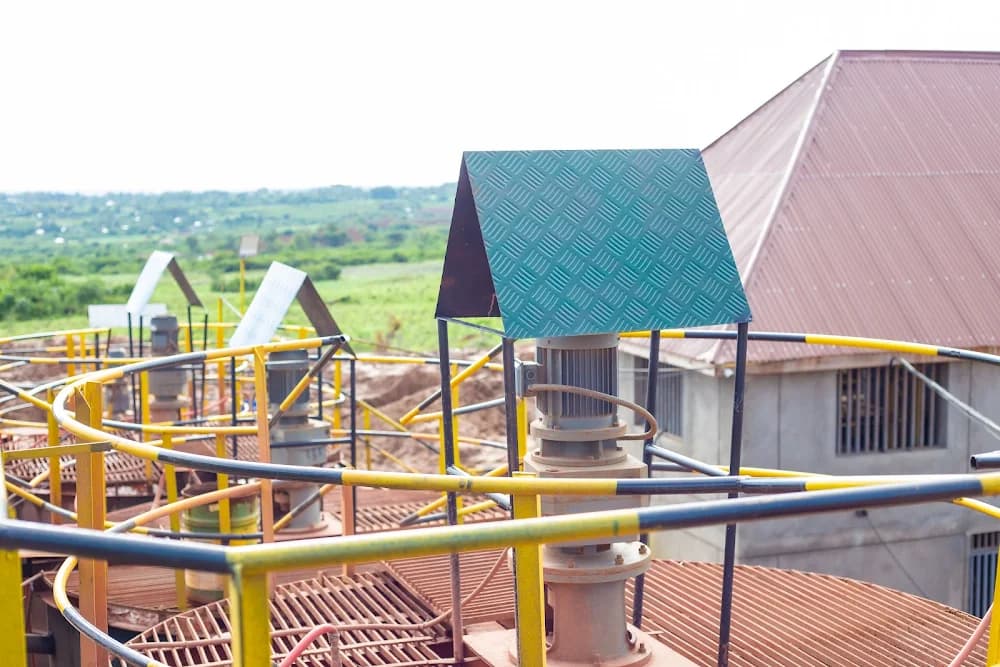
Turnkey Carbon-in-Pulp (CIP) & Carbon-in-Leach (CIL) Engineering
Custom-engineered cyanide leaching trains, low-shear axial hydrofoil agitators, high-pressure Zadra elution columns, rotary reactivation kilns, and bullion gold rooms delivering 92% to 96.5% recovery across East Africa.
CIP vs. CIL: Matching Ore Kinetics to Recovery Economics
Selecting between separate leaching and adsorption (CIP) versus simultaneous leach-adsorption (CIL) depends on natural preg-robbing organic carbon content, ore cyanidation dissolution speed, and plant capital expenditure.
Carbon-in-Pulp (CIP) Systems
Slurry is completely leached in dedicated pre-leach tanks (12–18 hours) before flowing through an adsorption cascade of 6 to 8 mechanically agitated tanks with counter-current advancing carbon.
- Ideal for Free-Milling Oxide Ores: Fast leaching with zero organic carbon preg-robbing risk.
- Lower Carbon Inventory: Carbon only added in adsorption stages, minimizing carbon loss.
- Higher Gold Tenor: Loaded carbon grades typically exceed 4,000 to 5,500 g/t Au.
Carbon-in-Leach (CIL) Systems
Activated carbon is present in all leaching tanks, instantly adsorbing gold cyanide molecules as soon as they dissolve to outcompete natural preg-robbing clays and organic matter.
- Preg-Robbing Mitigation: Prevents up to 15% gold loss in sulfide and saprolite clay ores.
- Lower Plant Footprint & Capex: Eliminates separate pre-leach tanks, saving 20% steel structure.
- Rapid Cyanide Dissolution: Continuous removal of gold pushes chemical reaction equilibrium forward.
The Green Ngoria CIP / CIL Flowsheet Architecture
From primary wet grinding and high-shear oxygen sparging to pressure Zadra desorption and induction smelting, every step is mass-balanced for steady extraction.
Grinding & Classification
Closed-circuit ball milling & hydrocyclone cluster liberating fine gold down to P80 = 75 microns.
Conditioning & Oxygenation
Pre-leach lime addition (pH 10.5–11.0) and high-shear compressed air/oxygen sparging (DO > 8 ppm).
Cyanidation & CIL Adsorption
Cascade agitated tanks with counter-current advancing 6x12 coconut carbon loading gold cyanide.
Loaded Carbon Acid Wash
Dilute 3% HCl soak dissolving calcium carbonate scale, silicates, and base metal foulants.
Pressure Zadra Elution
High-temp 140°C desorption stripping gold into pregnant eluate for direct electrowinning deposition.
Induction Smelt & Bullion Pour
Medium-frequency induction melting of cathode sludge into certified commercial gold dore bars.
Proprietary CIP/CIL Mechanical & Gold Room Equipment
Precision-engineered heavy components fabricated across our Bondo Heavy Works and stocked at our Migori Hub.
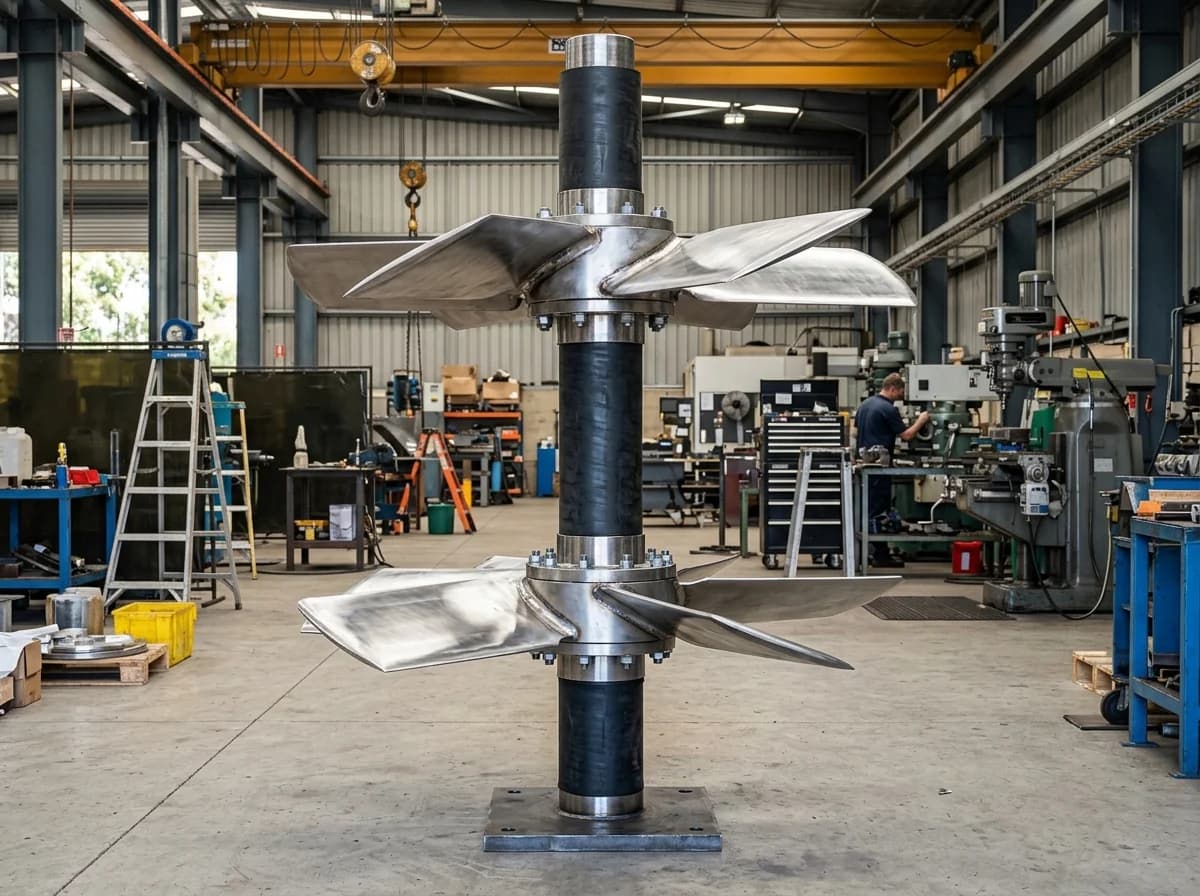
Custom-profiled dual axial hydrofoil impellers maintaining homogenous 45% solids slurry suspension with low tip speeds (3.8–4.5 m/s) to preserve carbon hardness and prevent fines attrition.
Mechanically swept or cylindrical air-swept 316L stainless wedge-wire baskets with non-blinding 0.80mm continuous slots that retain 6x12 carbon while allowing thick slurry to overflow freely.
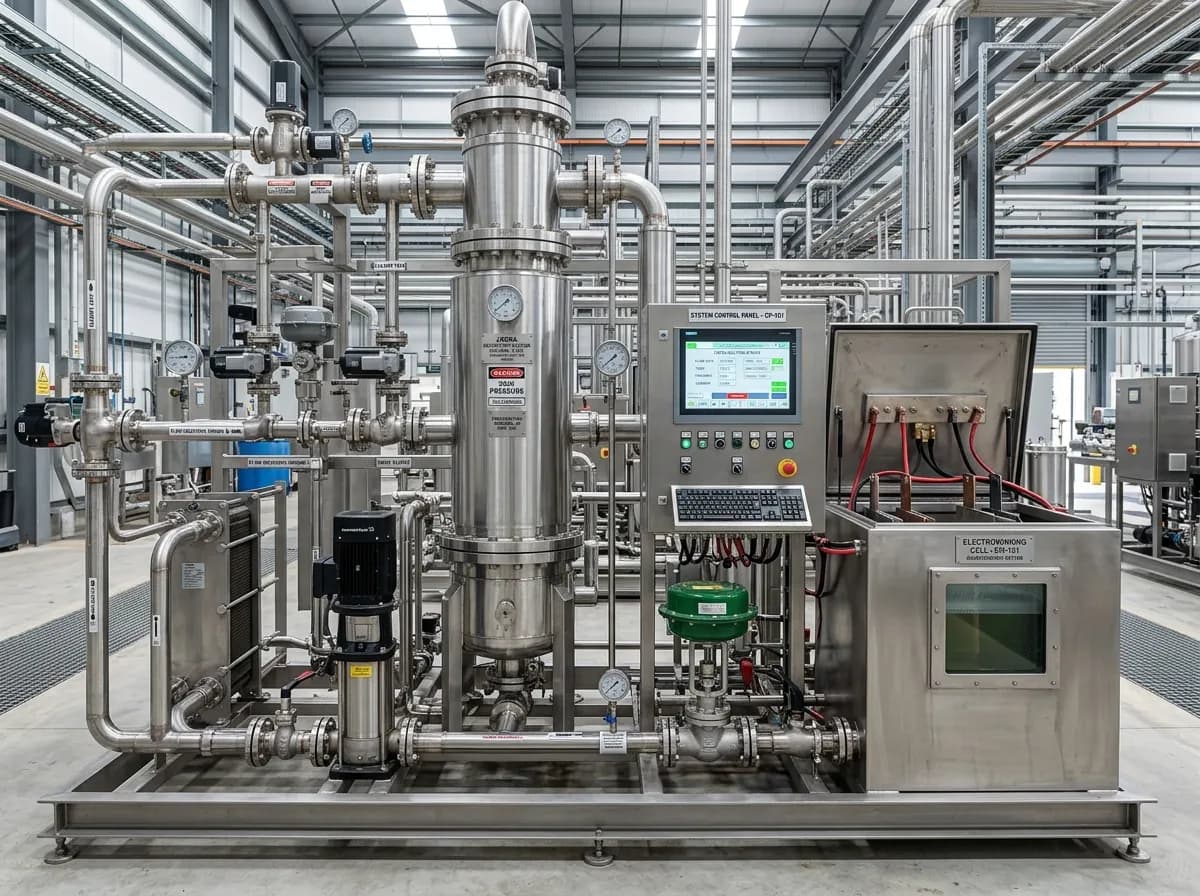
Turnkey pressurized stripping plants operating at 135°C–145°C and 450 kPa, reducing gold stripping cycles from 48 hours down to 12 hours with barren carbon grades consistently below 60 g/t Au.
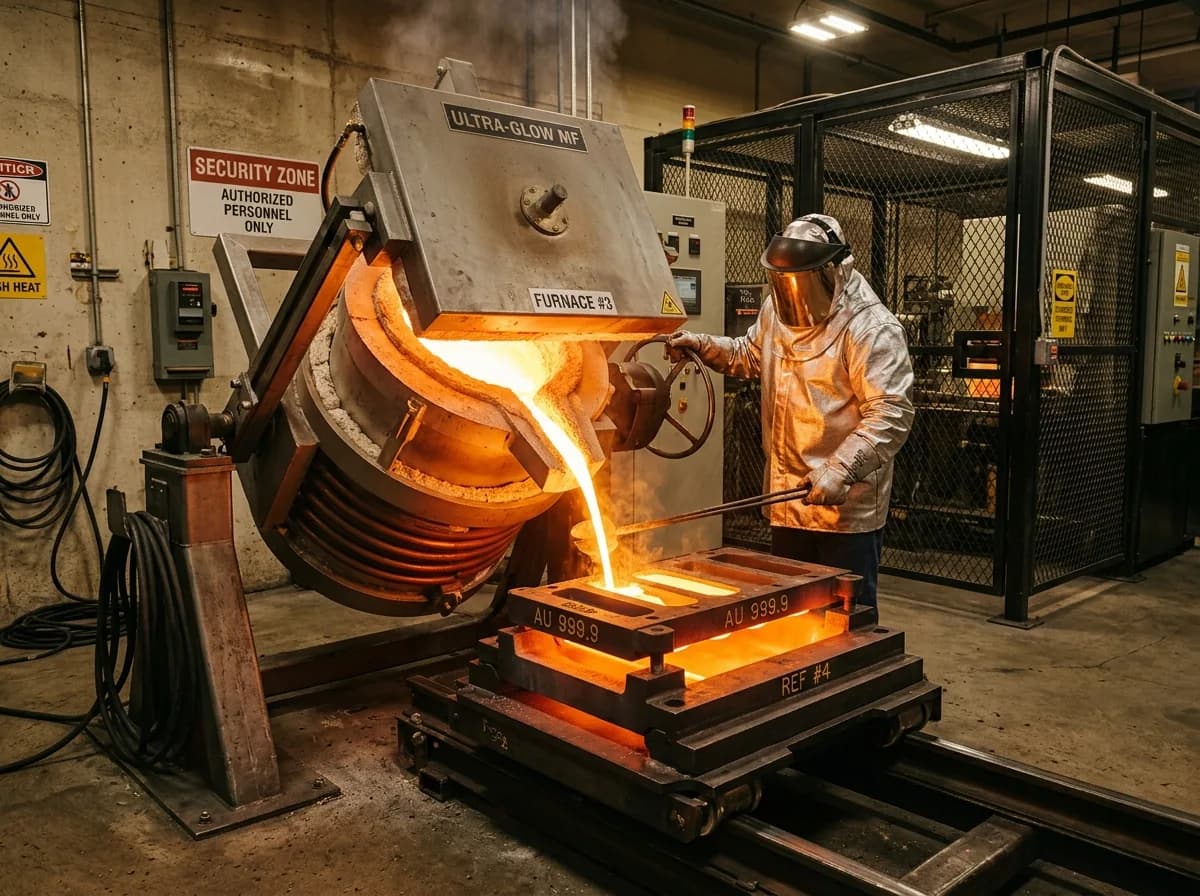
Polypropylene electrowinning cells with 316SS woven cathodes, DC rectifiers, vacuum sludge filters, and medium-frequency IGBT induction smelting furnaces for casting 95%+ pure bullion bars.
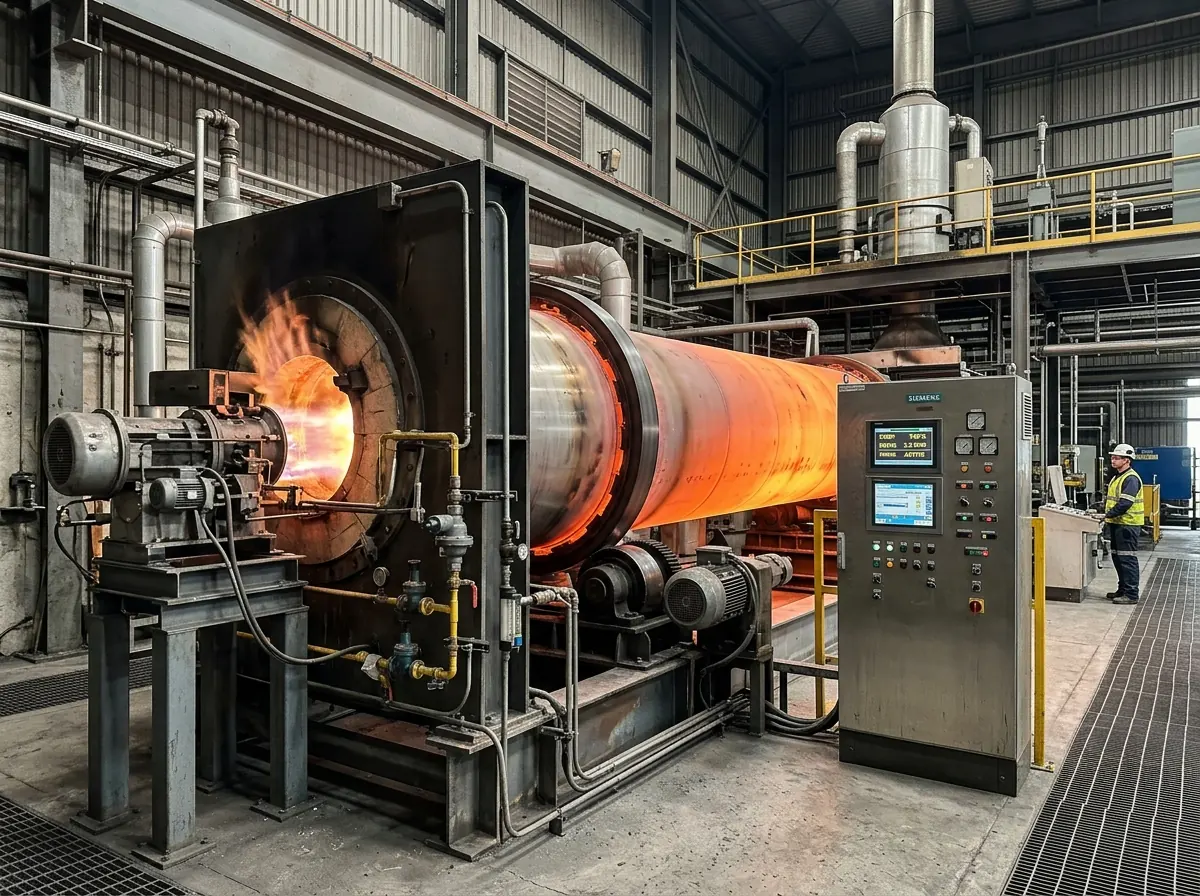
Direct-fired diesel or electric rotary kilns operating at 700°C–750°C under steam atmosphere to combust organic foulants and restore activated carbon adsorption kinetics to >95% of virgin carbon.
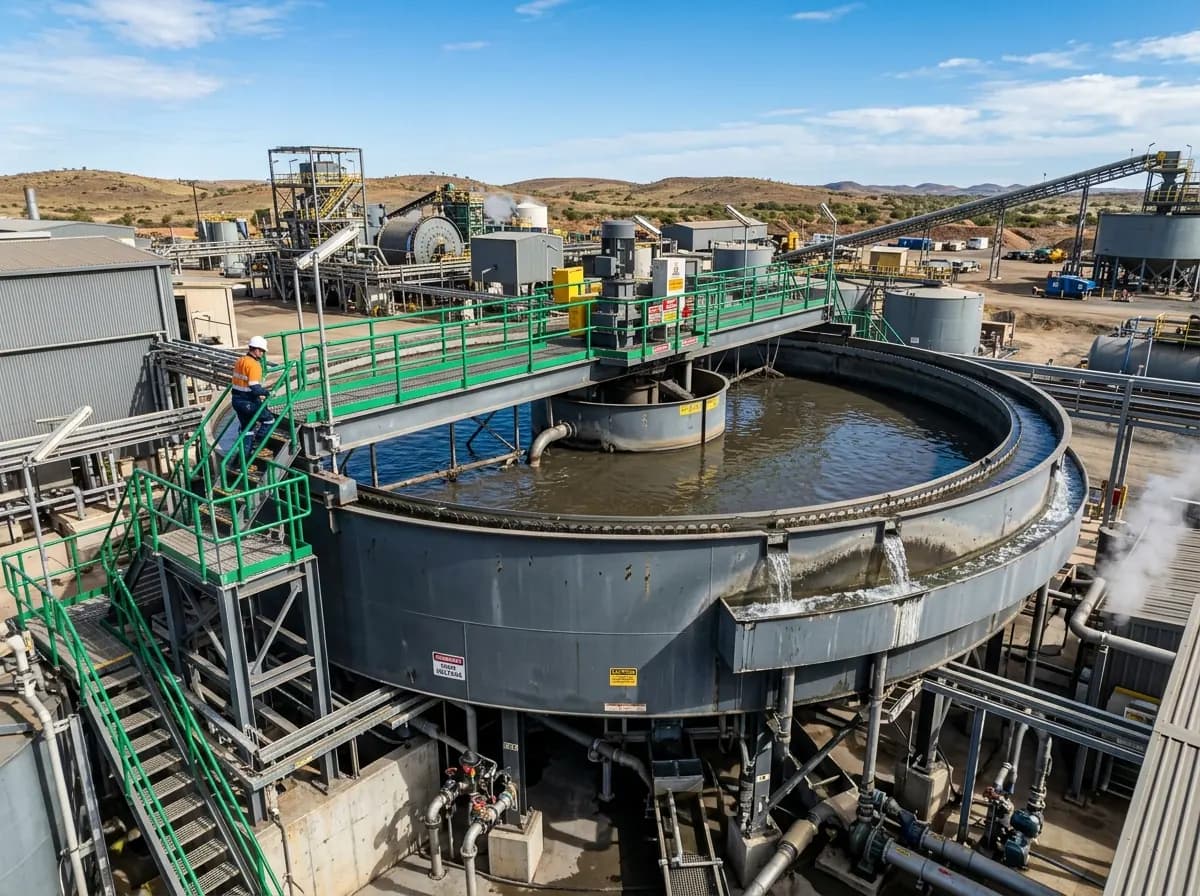
12m high-rate clarify thickeners recovering up to 40% cyanide-bearing wash water paired with SO2/Air and Caro’s acid chemical destruction circuits ensuring safe tailings dam discharge.